Promoting short supply chains through the Valle del Inca Association to supply food to the community’s educational institutions, funded by the Tabaconas District Council
On 12 May 2026, in the district of Tabaconas (province of San Ignacio, Cajamarca region), the strength of a local government in promoting short supply chains was demonstrated through the purchase of eggs and plantains from producers in the Valle del Inca Association
On 12 May 2026, in the district of Tabaconas (province of San Ignacio, Cajamarca region), the strength of a local government in promoting short supply chains was demonstrated through the purchase of eggs and plantains from producers in the Valle del Inca Association, who have been developing the Field School (ECA) as part of the BLF Andes Amazon project, funded by UK International Development and facilitated by Terra Nuova and Naturaleza y Cultura Internacional.
This initiative gives new impetus to the municipal by-law on local procurement from family farms, which Terra Nuova supported throughout its implementation process and which secured a budget of 10,000 soles from the municipality for local purchases from May to December 2026. This demonstrates the cultural relevance of the initiative as a powerful tool for the Tabaconas community.
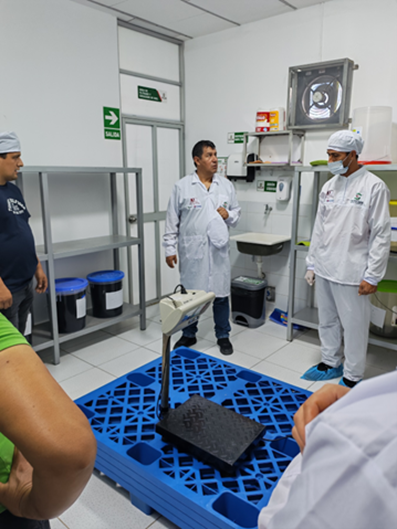
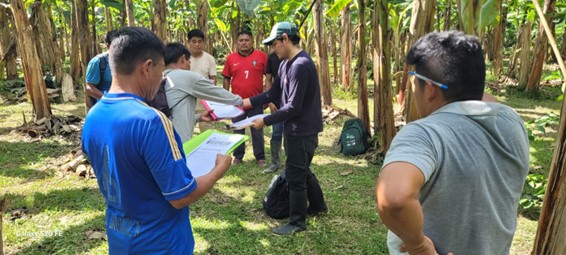
Terra Nuova has been facilitating this phased approach to raise the profile of producers as state suppliers, whilst also ensuring the quality and safety of the supply chain for eggs and plantains from the source through primary production, primary processing and transport to the educational institution. This reinforces the importance of food safety and traceability among producers.
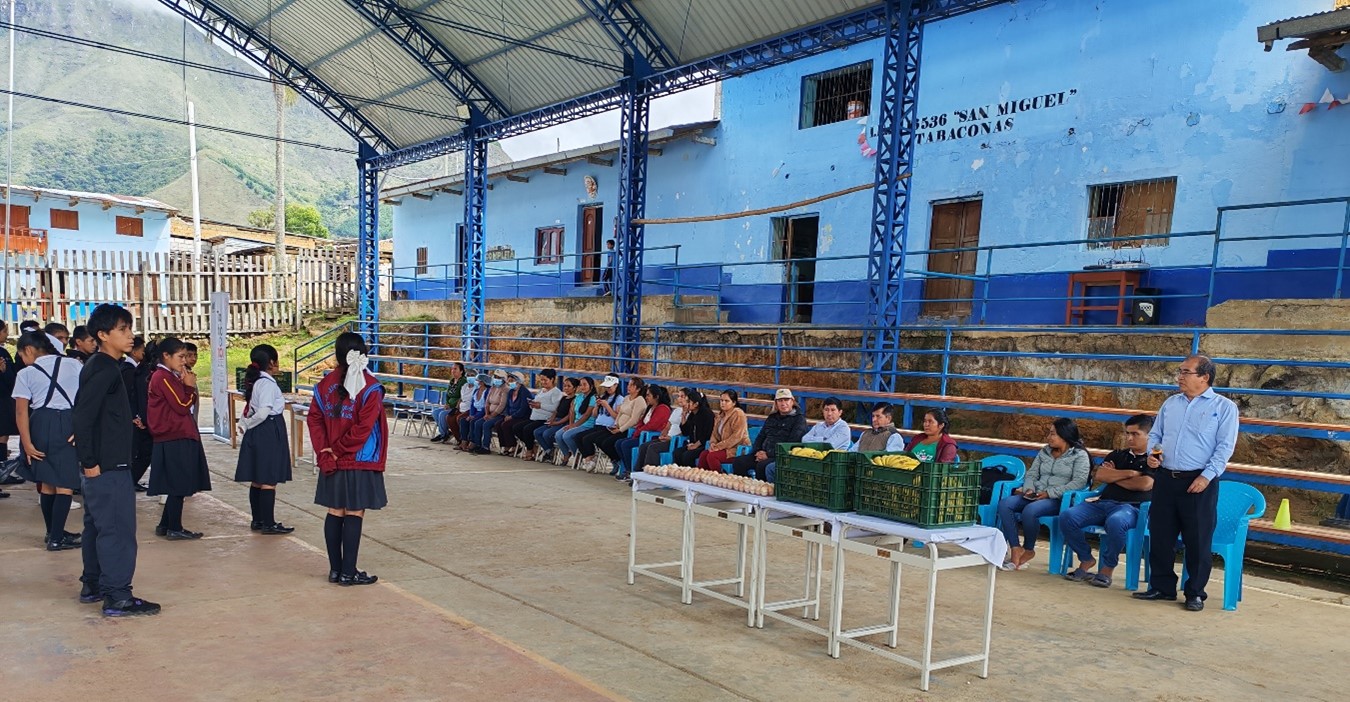
Figure 1. Launch of the delivery of local family farming produce for the Tabaconas community’s food service.
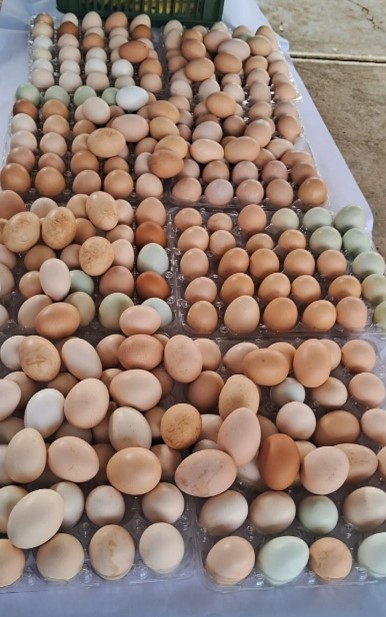
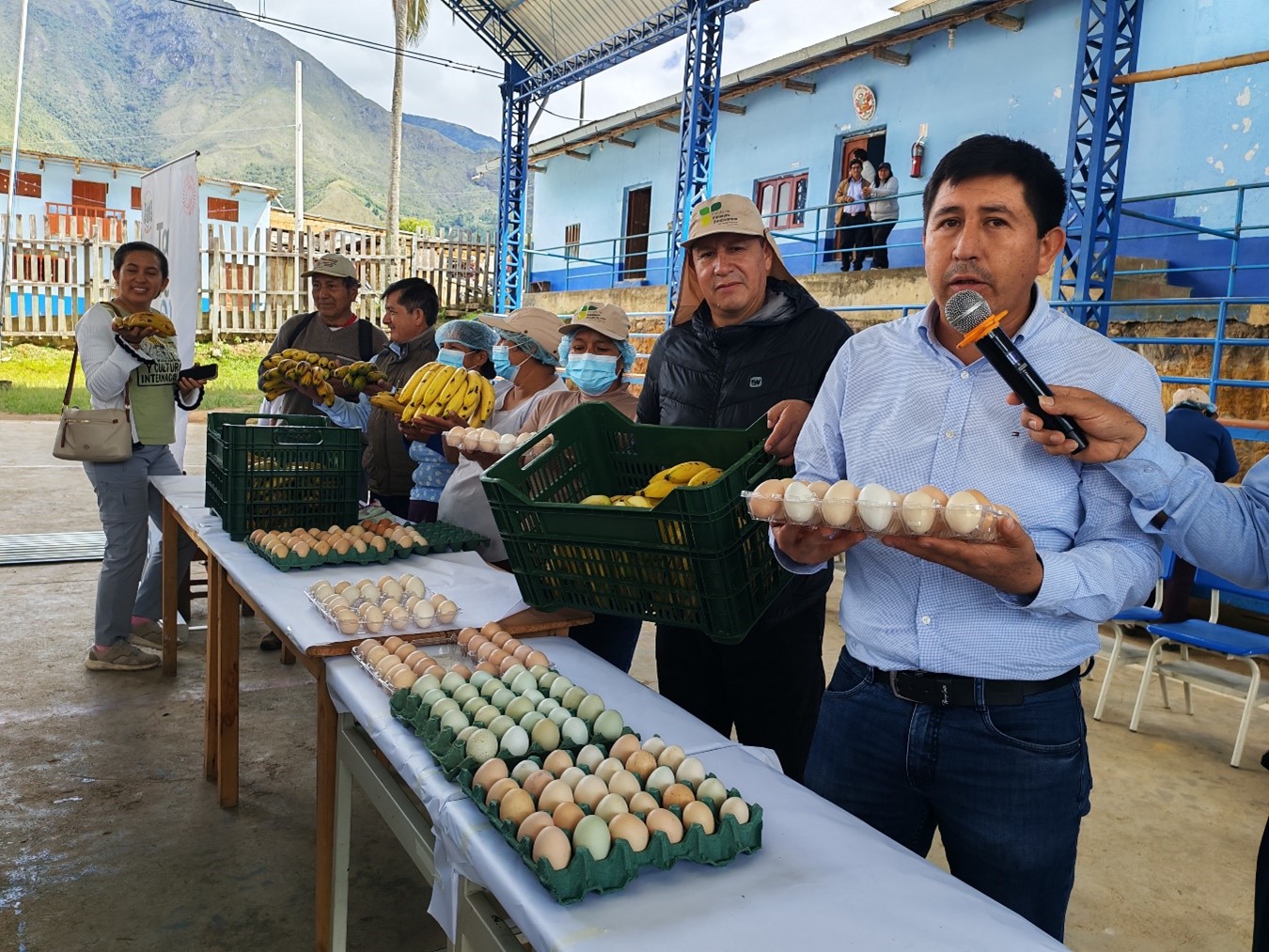
A total of 375 eggs and 375 bananas were delivered to supply four educational institutions in the district, providing 375 children with a healthy diet. This initiative has a positive impact on the local community, particularly as it helps address the food insecurity faced by parents.
Educational institutions from the district and the School Feeding Committee (CAE) were present at the launch of this initiative, which links family farming with the school feeding programme. They noted that this model should be more sustained, as improvements are evident in the more diverse rations featuring eggs and plantains, enriching the nutritional value with vitamins and minerals. This promotes greater acceptance and a return to eating habits based on fresh local produce, which in turn helps to foster a sense of local cultural belonging. As a result, children are learning better and combating the anaemia and food insecurity facing the country.
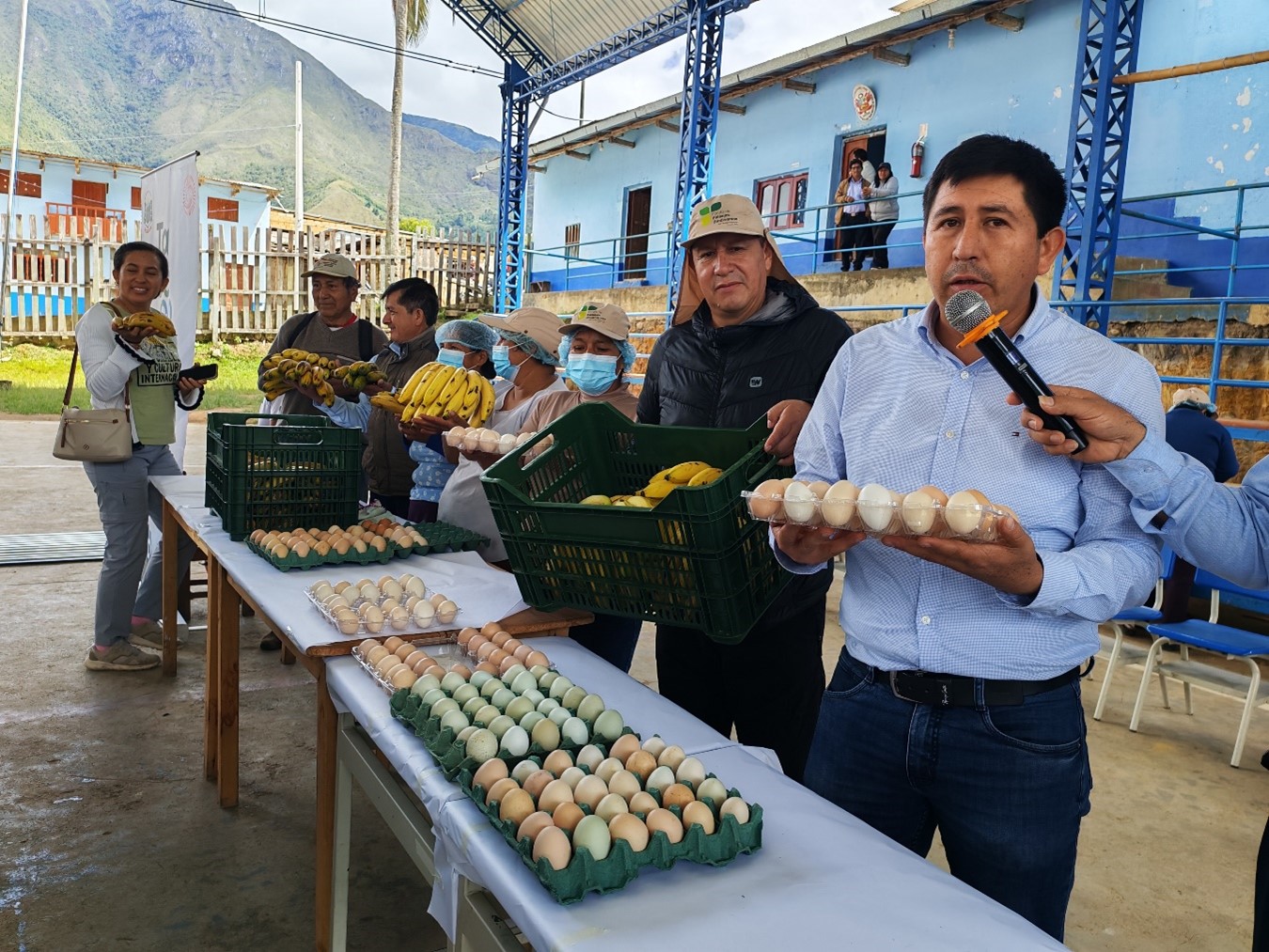
Figure 2. The mayor of the Tabaconas district handing over eggs and bananas to educational institutions. Terra Nuova has been supporting this process to promote short supply chains.
With this initiative in the rural community and district of Tabaconas, at Public Educational Institution No. 16536, it is the first district in the province of San Ignacio, Cajamarca region, to implement the ‘Local procurement of fresh produce from family farms for school meals’ scheme, funded by the administration of Mayor Ing. Eine Martinez Huachez and her team of councillors, who are practising food sovereignty in their district. This was first enshrined in an ordinance and now has its own regulations to ensure sustainability for the benefit of the population, thanks to the support and facilitation of this significant initiative by Terra Nuova.
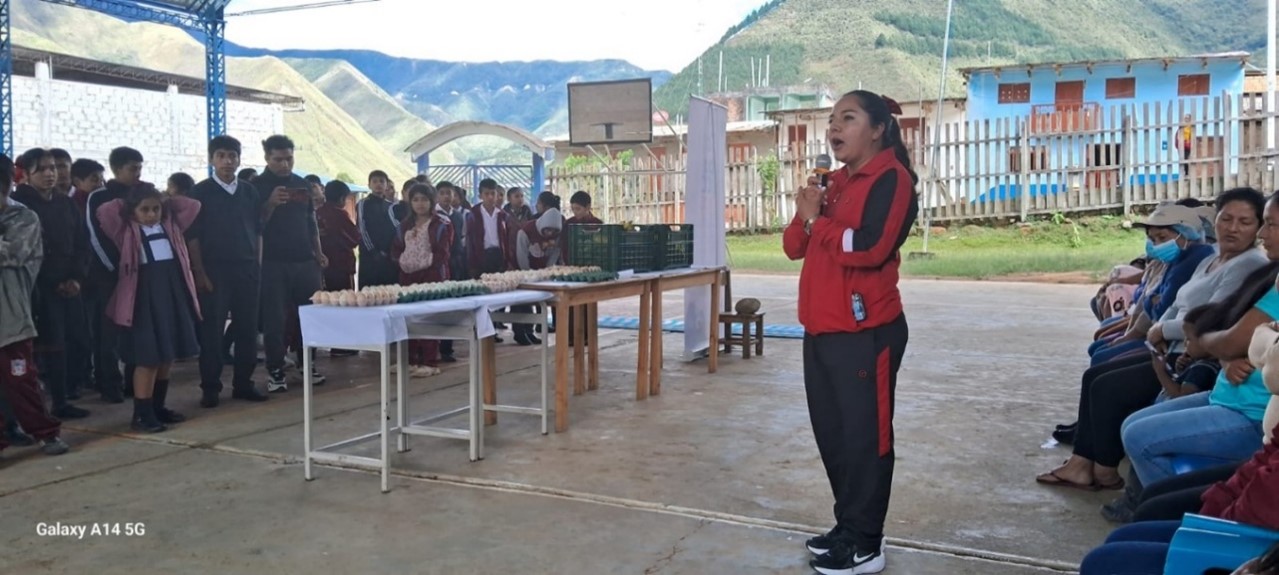
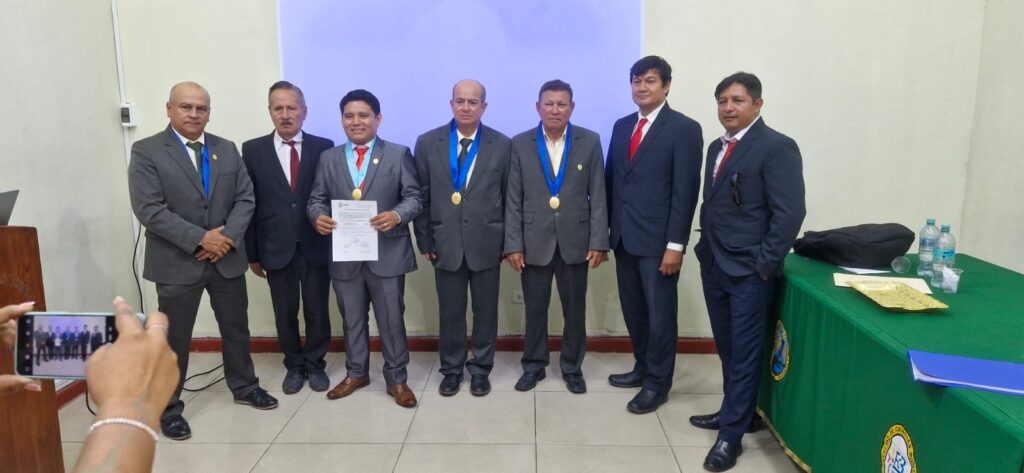
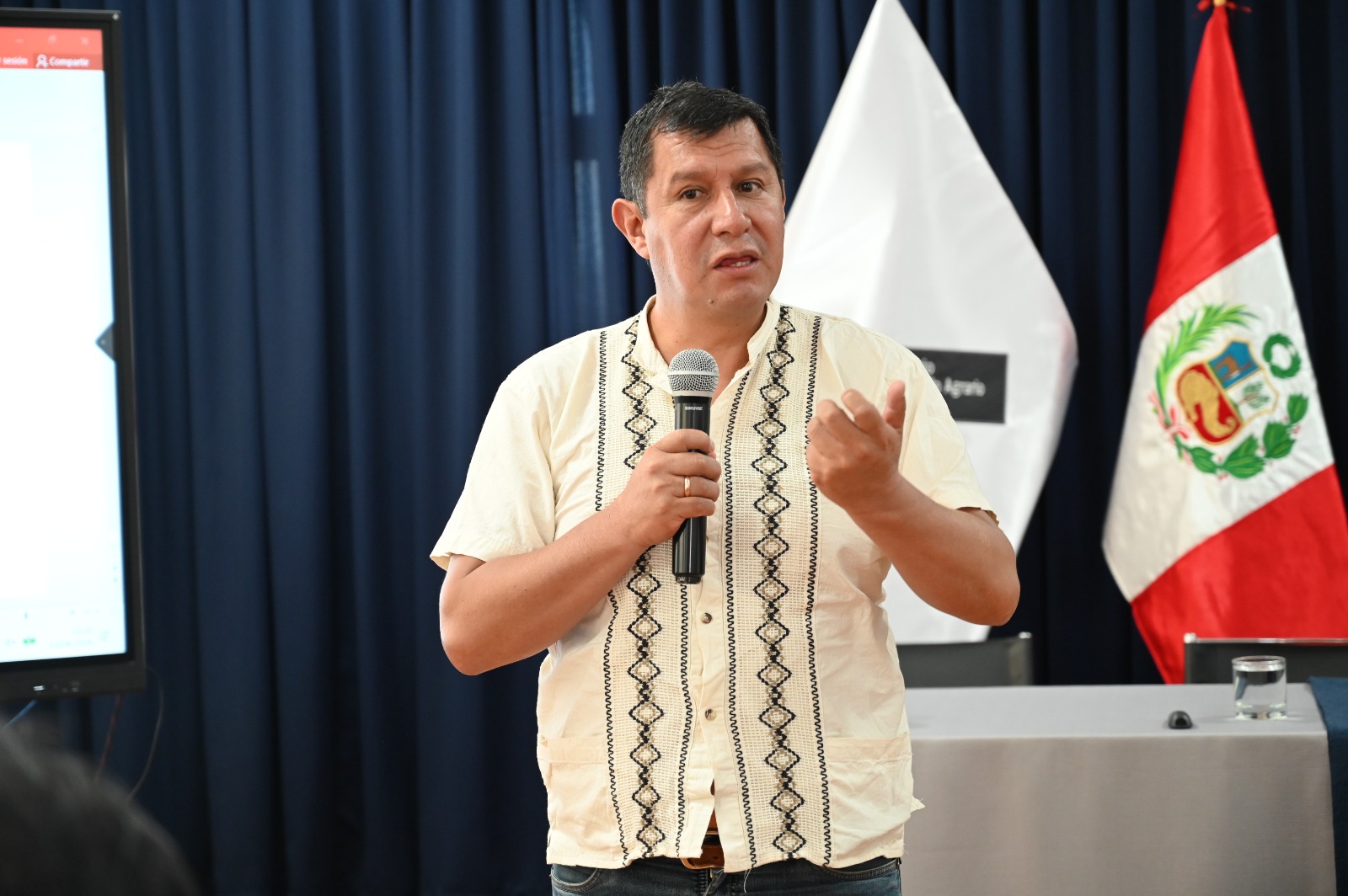
Figure 3. A representative of the teachers from the district of Tabaconas, inspired by the short supply chain model to improve the diets of healthy children.
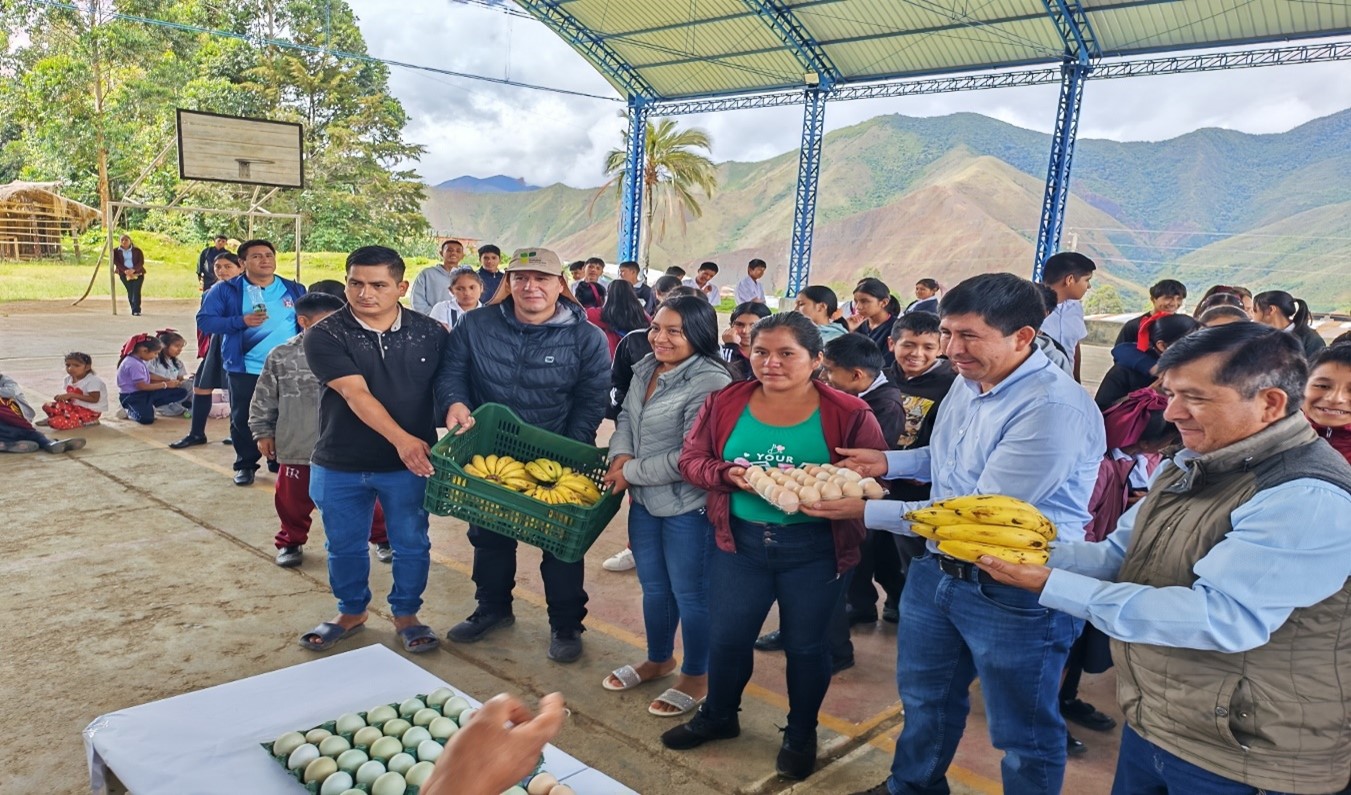
Figure 4. The School Feeding Committees (CAE) from various educational institutions in Tabaconas receiving plant-based (plantains) and animal-based (eggs) products for their school meals.
The mayor, officials, teachers and local authorities thanked the Economic Development Department, the Valle del Inca Association (comprising rural women from the Tabaconas district), the School Feeding Committee (CAE) and Terra Nuova, who facilitated this entire process to achieve this significant result, demonstrating once again that better outcomes are achieved when coordinated work between social actors is promoted.
This best practice provides local governments with effective guidance on how to become promoters of social and economic development, recognising the importance of implementing initiatives that progressively ensure food security and sovereignty as a fundamental prerequisite for improving the population’s quality of life and opportunities.
In the current year, 2026, the local government of Tabaconas has been funding the purchase of fresh primary products from the Tierra del Inca Producers’ Association and plans to involve more organisations, provided they can guarantee the food safety chain.
The expected impact aims to improve sustainable healthy eating habits through the inclusion of plantains (plant-based) and eggs (animal-based), produced locally by a group of rural women and men who belong to a Farmers’ Field School and have been working with Terra Nuova and Naturaleza y Cultura Internacional as part of the BLF Andes Amazon project.
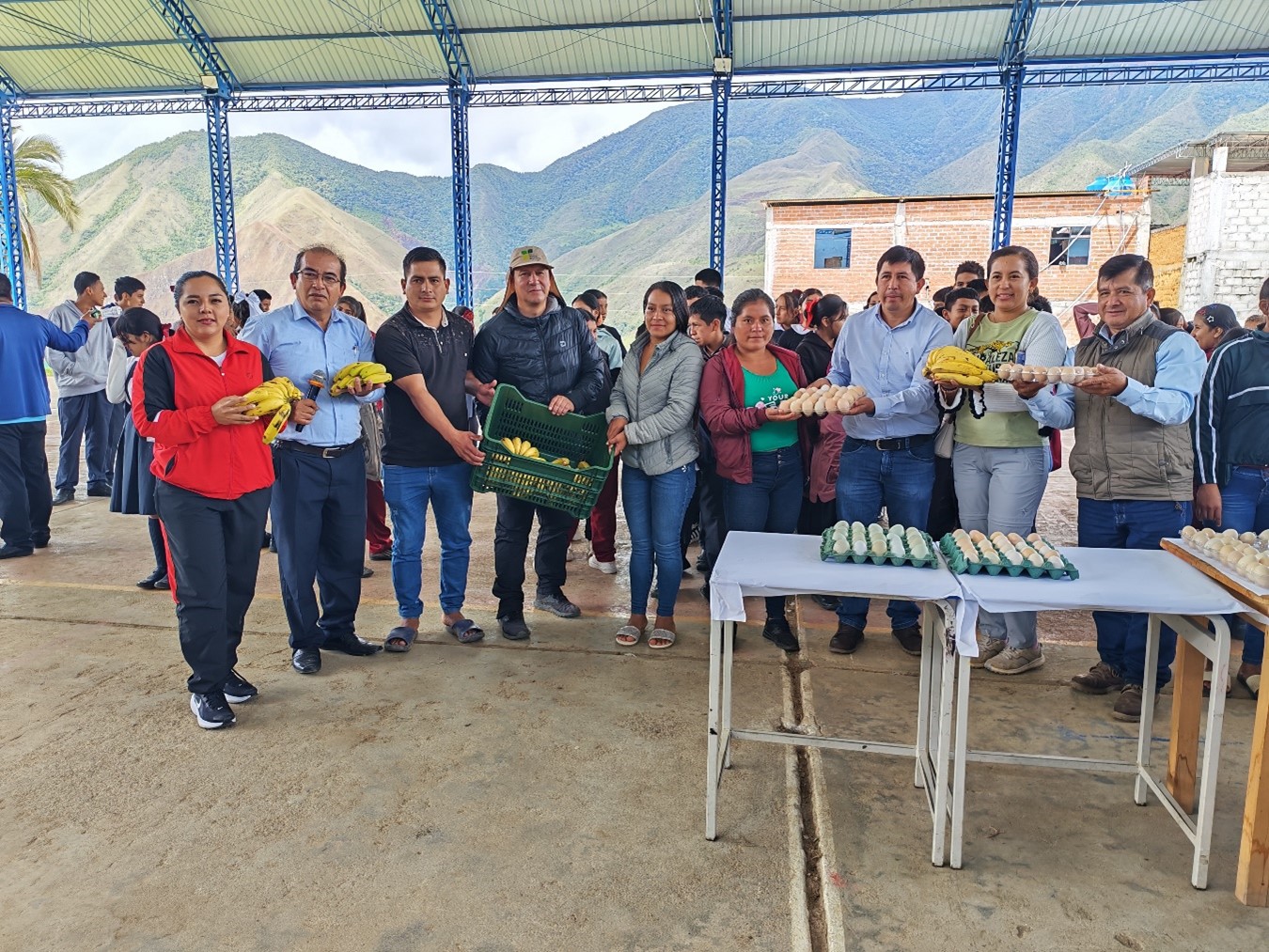
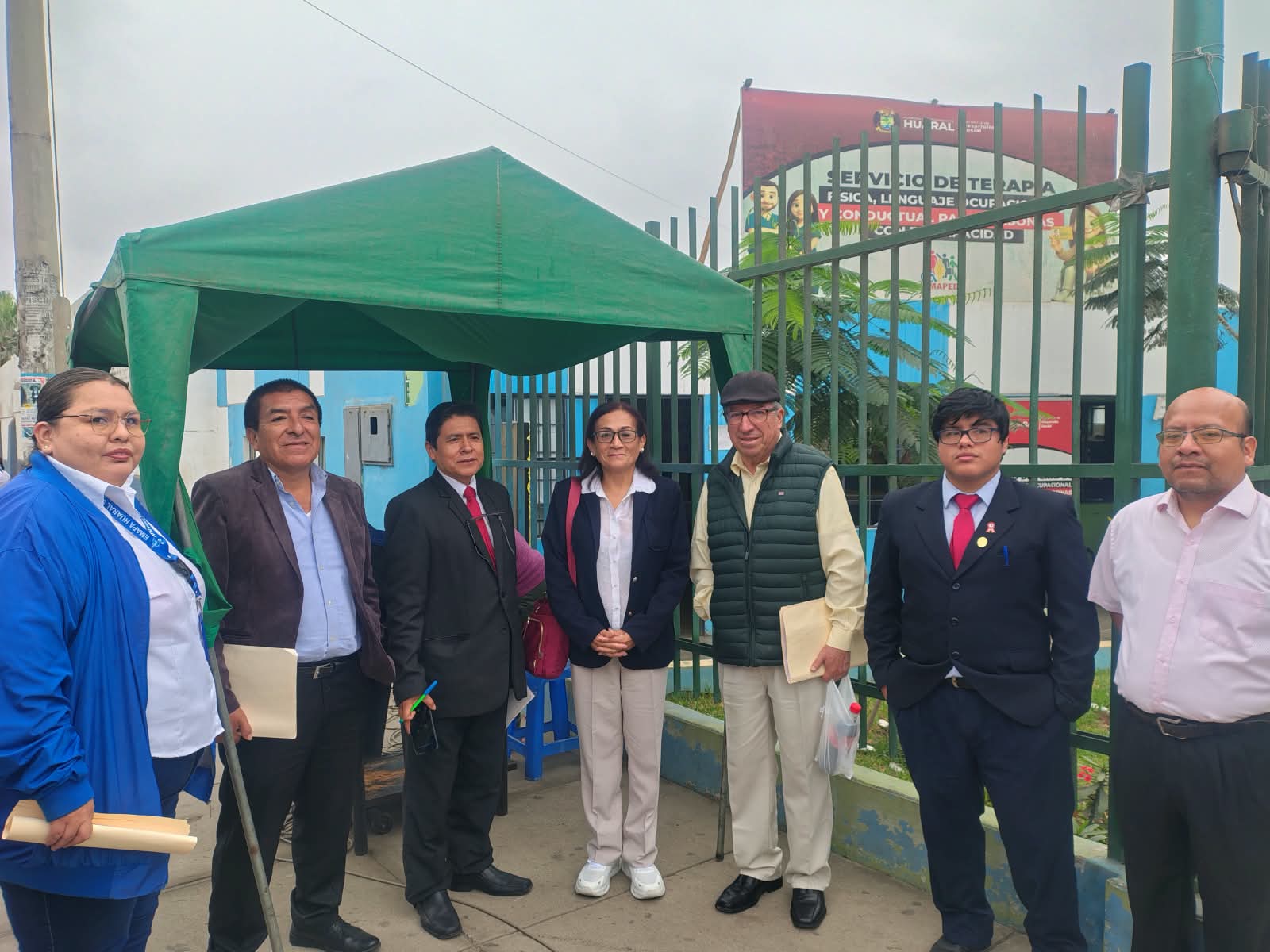
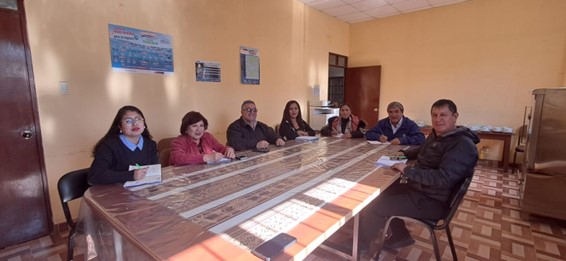
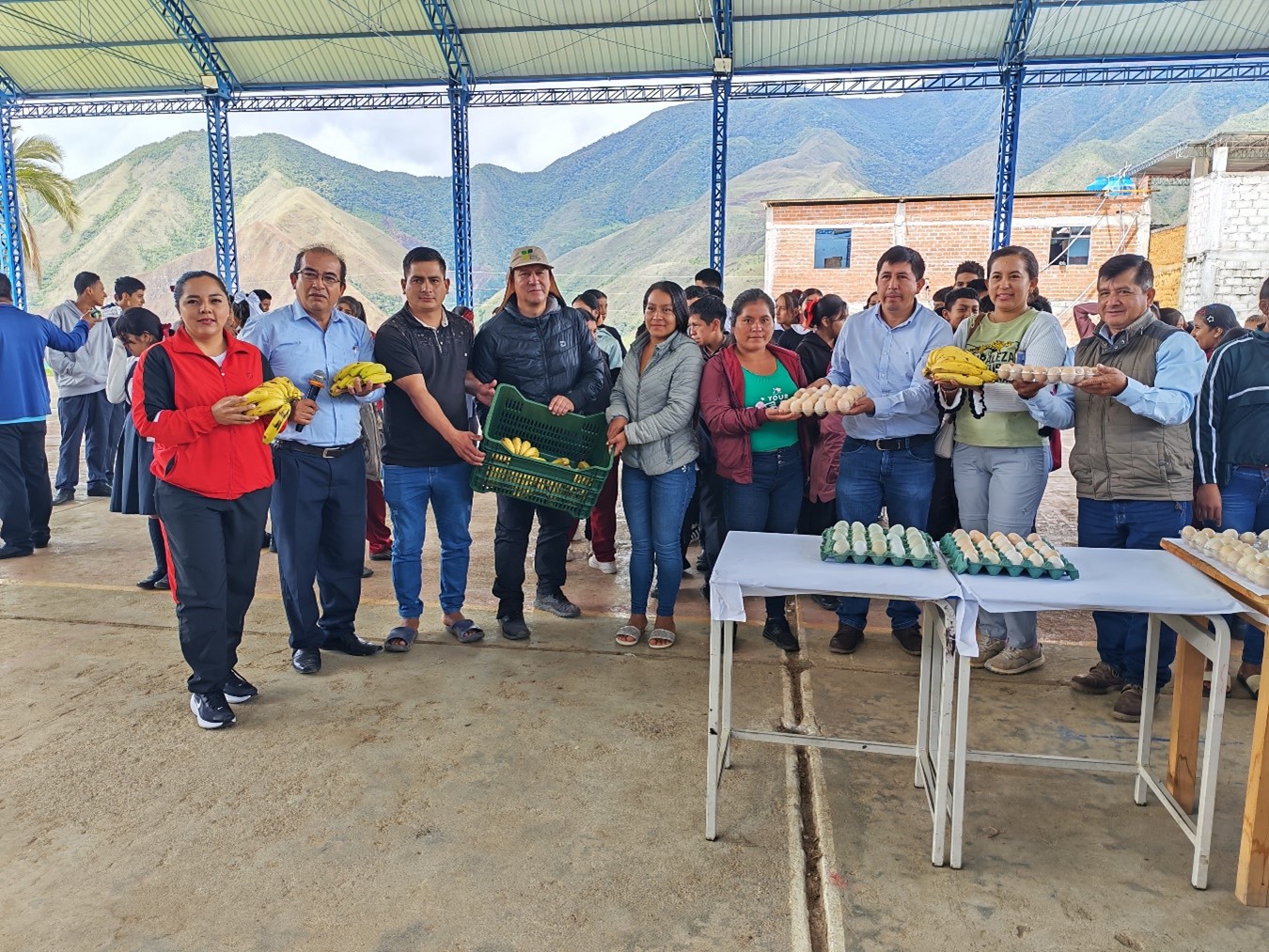
Figure 5. Authorities and representatives of civil society and the educational community are highly motivated by the short supply chain model.
This demonstrates how the supply chain guarantees the quality and safety of food, whilst further promoting a powerful tool such as cultural relevance to improve the diets of vulnerable populations, thereby generating short supply chains.
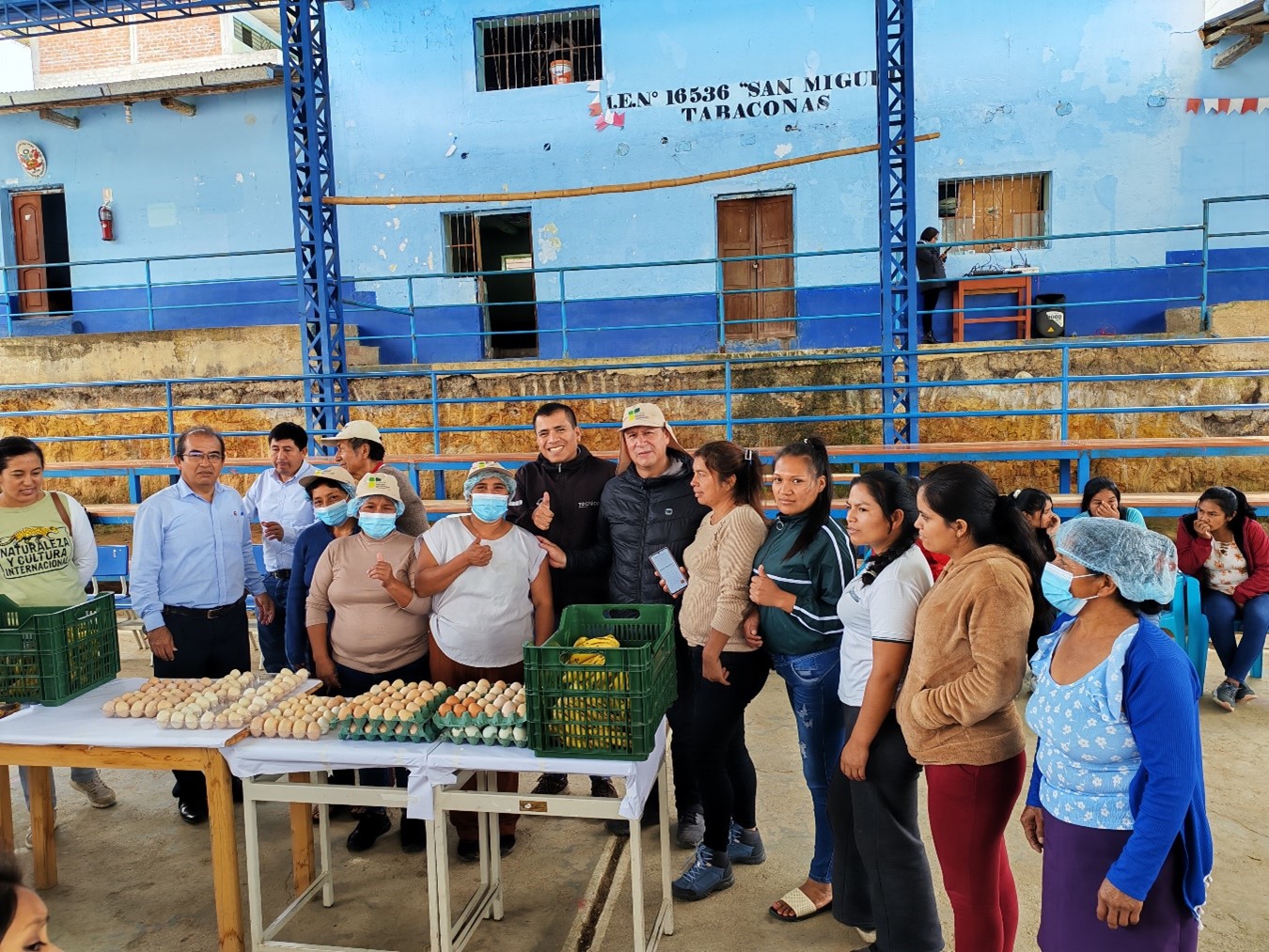
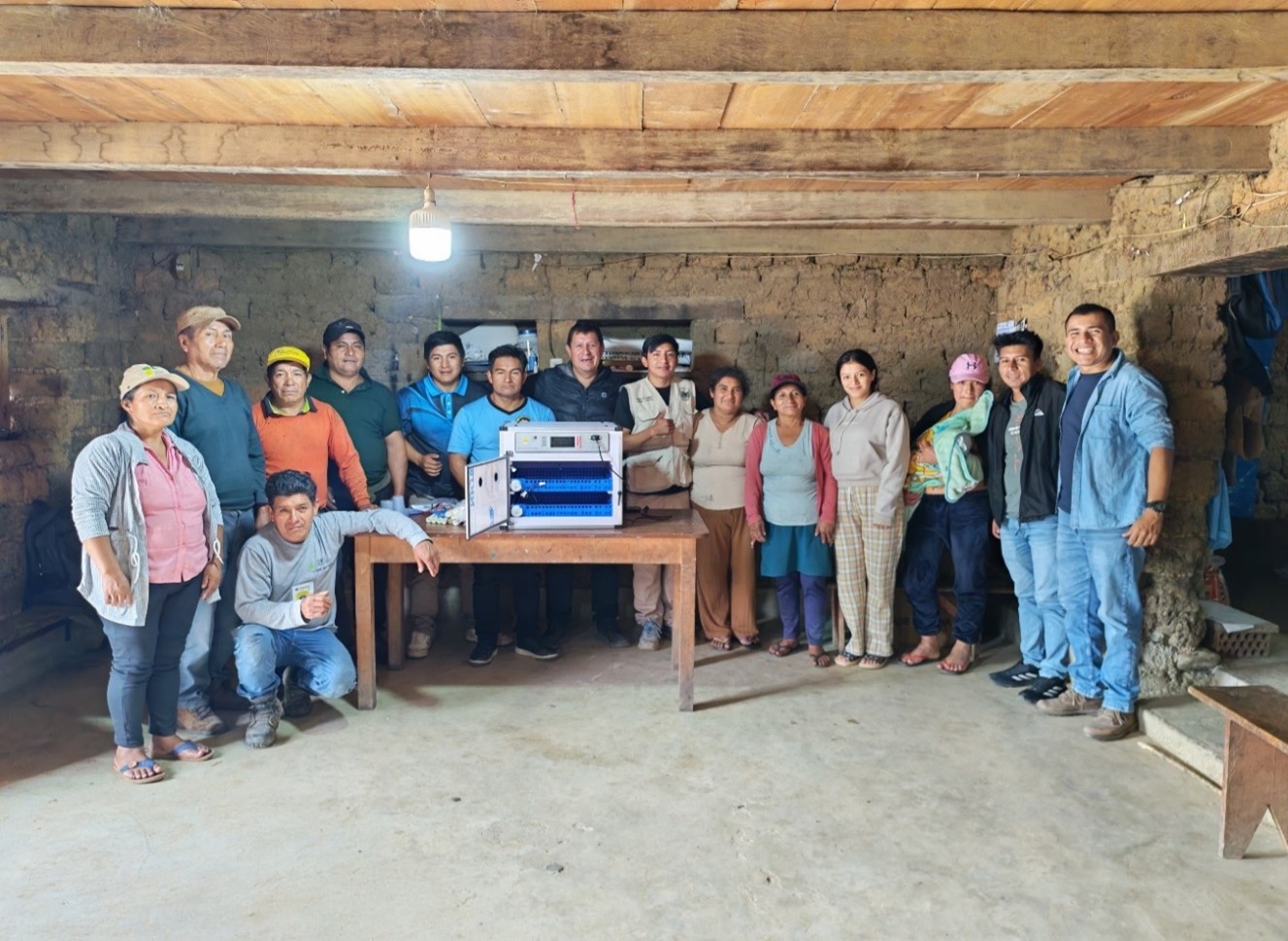
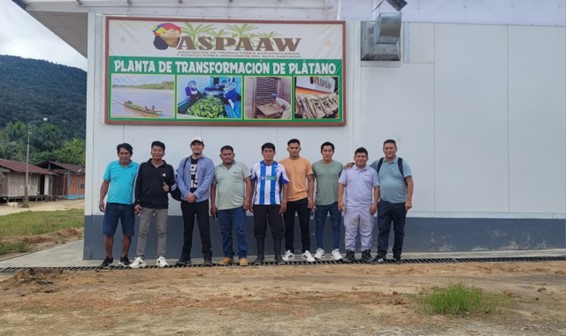
Figure 6. Producers from the Inca Valley, members of the San Miguel de Tabaconas School Meals Committee and the Terra Nuova team, delighted with the launch of the initiative.
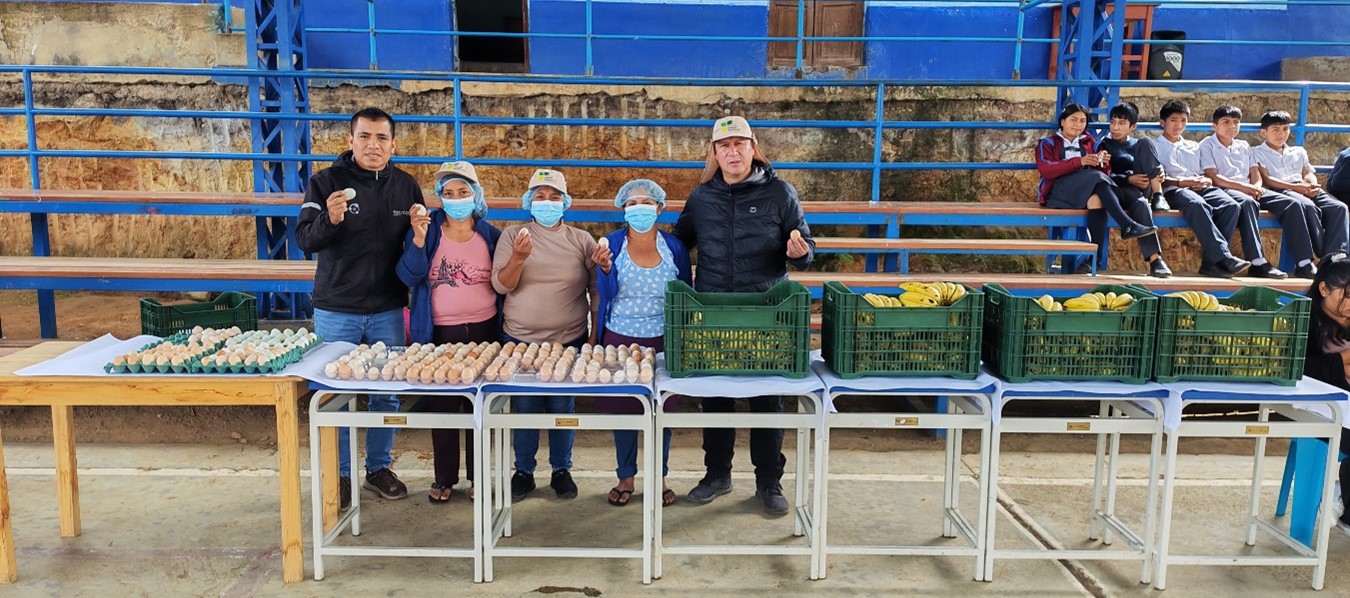
Figure 7. The Terra Nuova team facilitated the entire process to enable the local government of Tabaconas to learn how to allocate the budget to improve the competitiveness of the women producers in the Inca Valley of Tabaconas.
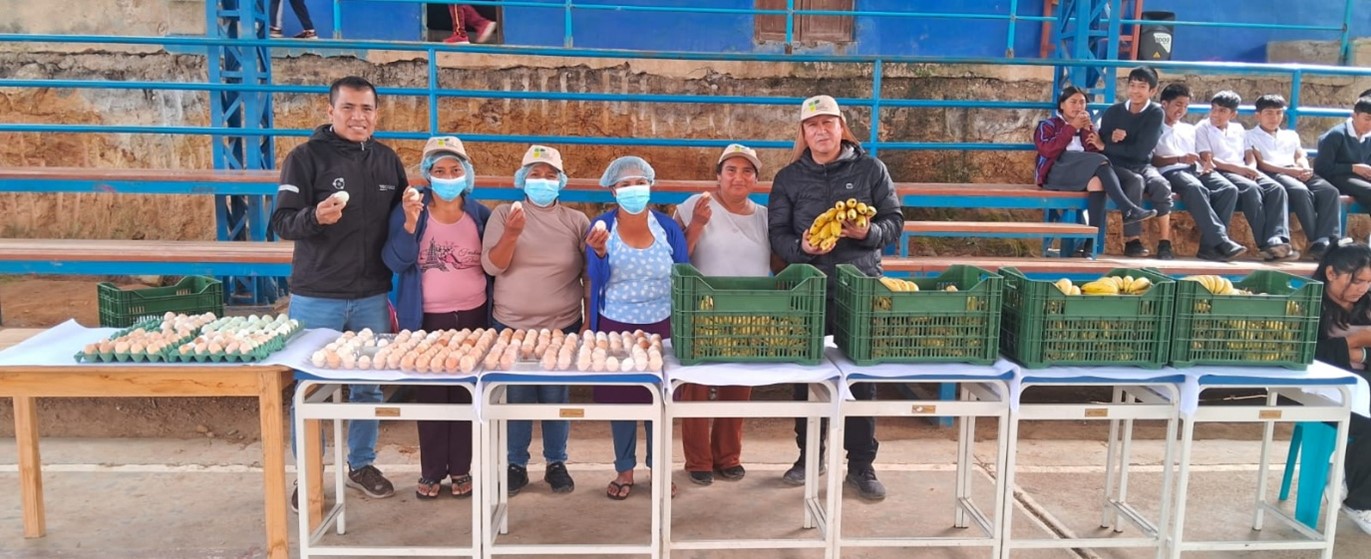
The primary produce – bananas and eggs – grown by family farms at the Valle del Inca – Tabaconas agricultural college, which supply the district’s educational institutions.